
罗马假日
China becomes major global supplier of green fuel, with production capacity of 8m TOE in 2025_我的网站

A |

The output of green methanol reached 380,000 tons, green ammonia stood at 700,000 tons, and sustainable aviation fuel hit 1.7 million tons, making China a major global supplier, the report showed.
The NEA published the China Green Fuel Development Report (2026) on its website on Wednesday. Downstream application scenarios for green fuels in China continue to expand, with coverage extending from land transportation to the shipping, aviation and industrial sectors, the report showed.
China's green methanol production capacity accounted for 60.3 percent of the world's total in 2025, according to the report. The ratio for green ammonia was 79.5 percent.
Green fuels, represented by green methanol, green ammonia, and sustainable aviation fuel, are fuels with low carbon emissions throughout their entire life cycles and in compliance with environmental protection requirements.
In recent years, global climate governance constraints have tightened, and the global energy mix has accelerated its transition toward clean and low-carbon sources. International organizations such as the International Maritime Organization and the International Civil Aviation Organization, as well as countries and regions including the US, the EU, and Brazil, have introduced policies to promote carbon reduction in key transportation sectors.
Analysts said that China's development of green fuels not only supports deep decarbonization in key industries and addresses the bottleneck of large-scale renewable energy absorption, but also helps cultivate new drivers of economic growth. That's very significant in supporting global climate action and promoting a comprehensive green transformation of the Chinese economy and society, they said.
Although China has taken a leading position globally in green fuel production and equipment R&D, key technological equipment still requires further breakthroughs, Li Zhijian, vice president of the China National Petroleum & Chemical Planning Institute, said in a post on the NEA's website.
In particular, there remains considerable room for improvement in areas such as biomass gasification efficiency and the performance of high-efficiency synthesis catalysts - areas that urgently need focused research efforts, Li noted.
According to projections from domestic and international institutions, global green fuel demand is expected to reach about 10 million TOE by 2030 and exceed 100 million TOE by 2050, indicating vast room for industrial growth.
China, rich in renewable resources such as wind, solar, and biomass, provides a solid foundation for large-scale development of the green fuel industry, the NEA said.
China could achieve green electricity from a total installed capacity of 3.6 billion kilowatts for wind and solar power, with an annual available volume of organic waste of some 617 million tons by 2035. If reasonably used for green fuel production, this could support an industrial scale of about 10 million TOE, Li said, citing an industry estimate.
Global Times
。
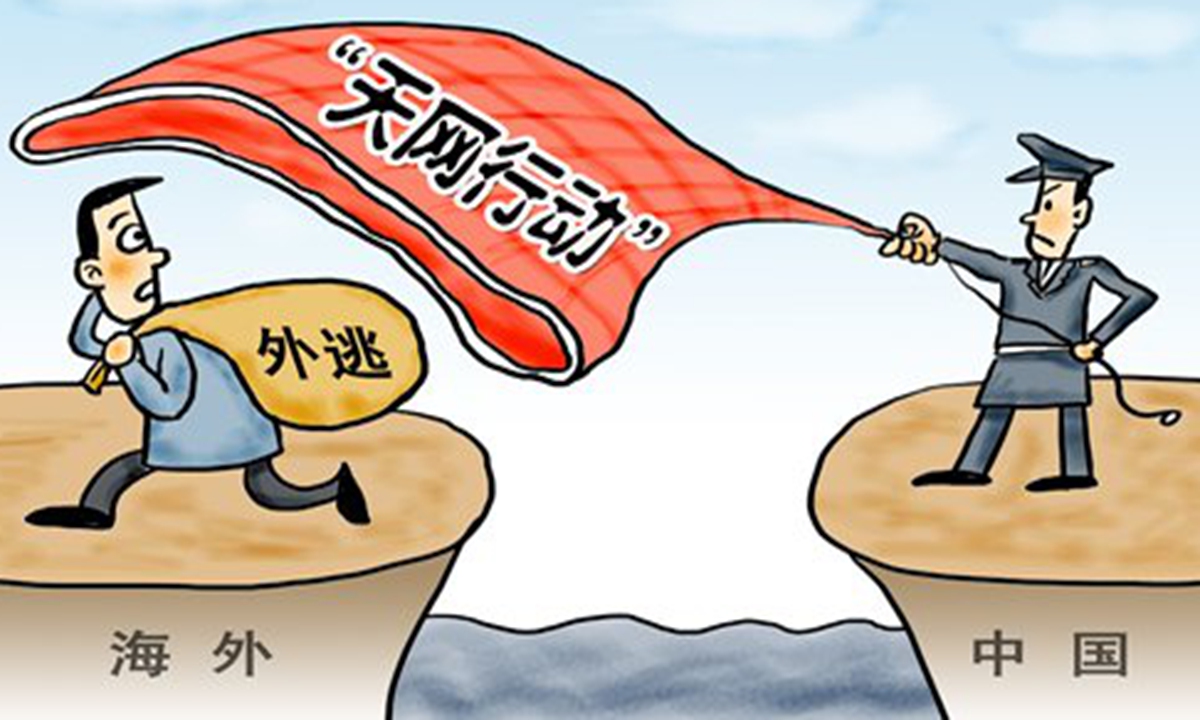
Chinese lawmakers began reviewing a draft law on combating cross-border corruption on Tuesday, a legislation which experts believe would help close legal gaps in investigating overseas corruption, pursuing fugitives and recovering illicit assets, while strengthening international cooperation and corporate compliance.
The draft was submitted for its first reading to the ongoing session of the Standing Committee of the National People's Congress, the country's top legislature, per Xinhua News Agency.
Huo Zhengxin, a professor at the China University of Political Science and Law, told the Global Times that the draft law represents a dedicated piece of legislation within China's anti-corruption legal framework and a major step forward in the country's law-based governance of foreign-related affairs. It will fill a legislative gap in combating cross-border corruption, Huo said.
As Chinese companies expand business overseas, cross-border corruption cases face challenges in obtaining evidence abroad, pursuing fugitives and recovering illicit assets. Existing anti-corruption laws have faced limitations in addressing such cases involving foreign affairs, making such dedicated legislation necessary, Huo said.
Structured into six chapters and 47 articles, the draft sets out the principles, scope and key provisions underpinning China's efforts to combat cross-border corruption. It also defines relevant operational mechanisms and institutional responsibilities, and seeks to strengthen case handling and international cooperation.
The draft further clarifies enterprises' obligations regarding integrity and compliance, and specifies legal liabilities for violations.
As one of the experts involved in drafting the legislation, Huo said a key innovation of the draft is to strengthen international cooperation and corporate integrity and compliance obligations. As evidence, suspects and illicit assets in cross-border corruption cases are often located overseas, the draft provides mechanisms including extradition, mutual legal assistance and repatriation, while aligning with relevant rules under the UN Convention against Corruption (UNCAC), said the expert.
The draft also makes clear that Chinese companies operating overseas, including both state-owned and private enterprises, have legal obligations to uphold integrity and compliance with domestic laws, Huo said.
The legislation would also codify practices accumulated through China's past campaigns against cross-border corruption, such as Sky Net and Fox Hunt operations, turning them into a more systematic legal framework and strengthening the law's deterrent effect, according to Huo.
The draft law is a practical step to regulate the development of cross-border businesses and help build a world-class business environment aligned with market principles, the rule of law and international standards, Xinhua noted.
It is also expected to expand the legal tools available to combat cross-border corruption and help address challenges in detecting corruption, collecting evidence, recovering illicit assets and securing convictions, according to the report.
In January, CCTV News reported on the case of a former senior executive of China National Offshore Oil Corporation, who was accused of accepting large amounts of bribes that were concealed overseas, with a businessman allegedly acting as a "front" to collect the illicit payments.
The draft's explicit corporate integrity and compliance requirements would make it harder for individuals to disguise bribery and other corrupt practices through overseas projects in an attempt to circumvent domestic oversight, while further clarifying the extraterritorial reach of China's anti-corruption laws, Huo said.
The draft also contains provisions to counter the use of foreign countries' domestic anti-corruption laws to exercise "long-arm jurisdiction" over Chinese companies, which Huo described as another important innovation in China's foreign-related legal framework.
China has been deepening its efforts in international anti-corruption cooperation, with 963 corrupt fugitives repatriated to the country in 2025, according to a work report from the country's top anti-graft body, Xinhua reported.
。
Current article:http://pos5i8.qiuergejiaolaiaozhuangshi.buzz/list_0ti/r5y7i.html
Published on:18:55:02
木棉花的春天_Random reading
- 08-22iOS 16 系统发布首日升级采用率略高于 iOS 15_苹果_iPhone
- 08-23新漫评:美国是名副其实的黑客帝国
- 08-24年终奖似乎不见了:富士GFX 100第一批工程样机曝光
- 08-20华为与惠普签署专利交叉许可
- 08-23上汽奥迪谢施奇谈“字母标 AUDI”:E7X 上市之后,经销商说已经没有人太在乎四环
- 08-26京多安:赢得欧冠资格是我们的责任;英超正在变得更好
- 08-26天貓滅「火」冇問題
- 08-21'China travel' fuels 'China shopping' boom
- 08-21寄情建昌山水 拥抱“诗和远方”——县文旅局局长马敬极畅谈《建昌县全域旅游发展总体规划》
- 08-21改革“林”距离 |从“守青山”到“兑碳金”——滦河林场的兴林富民记

金枝欲孽2_Active users
- 逃离平台算法:站长做自媒体的终极目标是“流量主权”
- 官宣!超级草莓音乐节要来石家庄,时间定了→
- Sriram Raghavan and Dinesh Vijan Plan to Give a Tribute to Dharmendra in Ikkis
- 特斯拉Model Y正向全球畅销车排行榜首位攀升
- 宇树科技IPO 藏着具身智能终局的必经之路
- NBA新赛季赛程将出炉!年终大战明日揭晓 完整常规赛周五凌晨公布
- 模型与数据双轮转动 业内判断:物理AI“ChatGPT时刻”最快两年
- 突发!新西兰南岛发生4.6级地震,数千人有感
- 第十六届中国国际数字出版博览会本周启幕
- 漳州首个专业短剧片场投用
- 招商银行:选举李云贵为副董事长
- 新加坡和香港保险有什么区别?普通人买哪个更合适?
- 记者:加拉塔萨雷不想为莱奥支付4000万欧元以上转会费
- 希尔顿说好取消会员还发垃圾邮件涉私注册会员求答复
- 1198亿美元营收、资本支出再次上调,谷歌继续“为AI发电”
- 农业农村部:推进“人工智能+”农产品流通发展
- Women Hoarding Birth Control, Abortion Pills After Roe v Wade Overturned, Media Says
- 原创 上海“最阴森”的旅游景点,曾经是屠宰场,文艺青年却疯狂追捧?
美味情缘_Hottest this week
- 罗马假日 copyright
- Some of the content comes from the Internet. If you have any offence, please raise it.